
Igbo religion — Odinala — is not a collection of superstitions. It is a complete cosmological system: a theory of the universe, a philosophy of the self, a framework for community ethics, and a practice of relationship with the divine that has sustained Igbo communities for millennia.
The Foundation: Chi, Ala, and the Cosmic Order
Igbo cosmology begins with Chukwu — the supreme being, the great spirit, the source of all existence. Chukwu is not a personal god in the Abrahamic sense — not a being who intervenes directly in human affairs, who can be petitioned for specific favours, or who punishes individual sin. Chukwu is the ground of being itself: the ultimate reality from which all existence proceeds and to which all existence returns.
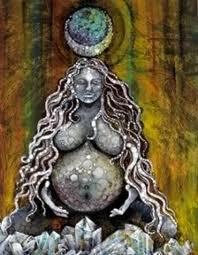
Between Chukwu and the human individual stands a complex hierarchy of spiritual beings. Most important among these are: Ala (also Ani or Ana) — the earth goddess, the most important deity in practical Igbo religious life, who governs the land, the community of the dead buried within it, agricultural fertility, and the moral order of human community; Amadioha — the god of thunder and lightning, associated with justice and righteous anger; Idemili — the water goddess of the Idemili River, associated with wealth and royalty; and dozens of other deities associated with specific rivers, forests, and natural phenomena.
Chi: The Personal Divine
The concept of chi — the personal spirit, the individual's portion of the divine, the spiritual counterpart that accompanies every person through life — is one of the most distinctive and philosophically rich features of Igbo cosmology. Every person has a chi, and the relationship between the person and their chi is the most intimate spiritual relationship in Igbo religious life.
The chi is not simply a guardian angel in the Christian sense. It is the spiritual version of the person — existing before birth, accompanying the person through life, and returning to the spirit world at death. The chi participates in the person's destiny: the Igbo proverb Onye kwe, chi ya ekwe — "when a person agrees, their chi agrees" — expresses the idea that human will and spiritual destiny are collaborative rather than opposed. A person's achievements in life reflect the strength and alignment of their relationship with their chi.

Odinala: The Living Religion
Odinala (also Odinani) is the comprehensive term for the Igbo religious and moral order — literally "the customs and traditions of the land." It encompasses not only formal religious practices (sacrifice, divination, shrine maintenance, festival observance) but the entire moral framework through which the Igbo understand proper conduct in relation to the land, the community, the ancestors, and the divine. To violate odinala is to commit nso — abomination — an act that disrupts the moral order and requires purification.
The destruction of Odinala institutions — the oracles, the masquerade societies, the shrine traditions — by Christian missionaries and British colonial administration was not merely religious disruption. It was the systematic dismantling of the social and moral infrastructure of Igbo communities. The recovery of respect for Odinala — not necessarily as a replacement for Christianity but as a tradition with its own philosophical depth and cultural value — is one of the most important projects in contemporary Igbo cultural life.

The Ancestors
The ancestors — ndichie or nna anyi (our fathers) — occupy a central place in Igbo religious life. Death does not sever the relationship between a person and their community; it transforms it. The ancestors are the dead who lived well, who fulfilled their social obligations, who were properly buried and mourned, and who now occupy a place in the spirit world from which they continue to influence the living. They are not remote or indifferent; they are actively present in the life of their descendants, capable of blessing and of withholding blessing, of warning and of punishing.